The Ultimate Guide to the White Desert in Egypt (2026 Update)
An 8000‑word, deeply detailed, SEO‑optimized, highly creative travel guide crafted specifically for tourism websites written in rich, engaging, human‑sounding English.
Introduction: A Journey Into a Landscape That Exists Nowhere Else on Earth
Hidden in the heart of Egypt’s Western Desert lies a surreal world that feels almost extraterrestrial, The White Desert, with its shimmering chalk formations and hypnotic silence, is not just another travel destination, it is a place that transforms your understanding of nature, time, and solitude, Travelers who set foot here often claim that nothing they have ever seen compares to the majesty of this vast, ghost‑white kingdom sculpted by wind, sand, and millions of years.
Imagine standing before towering chalk sculptures shaped like giant mushrooms, mystical animals, or frozen waves each carved by the desert’s breath alone, Imagine nights lit by endless constellations that pierce the darkness like diamonds scattered across a velvet sky, Imagine waking up in a sea of white dunes, where the horizon melts into golden morning light.
This is the White Desert Egypt’s natural wonder, a protected sanctuary, and one of the most awe‑inspiring places you can explore in 2026.
In this exhaustive guide, you will find everything you need to plan the perfect adventure: how to get there, the best time to visit, hidden spots, recommended itineraries, photography secrets, camping essentials, cultural insights, safety tips, costs, packing lists, and insider advice from local guides.
What Exactly Is the White Desert?
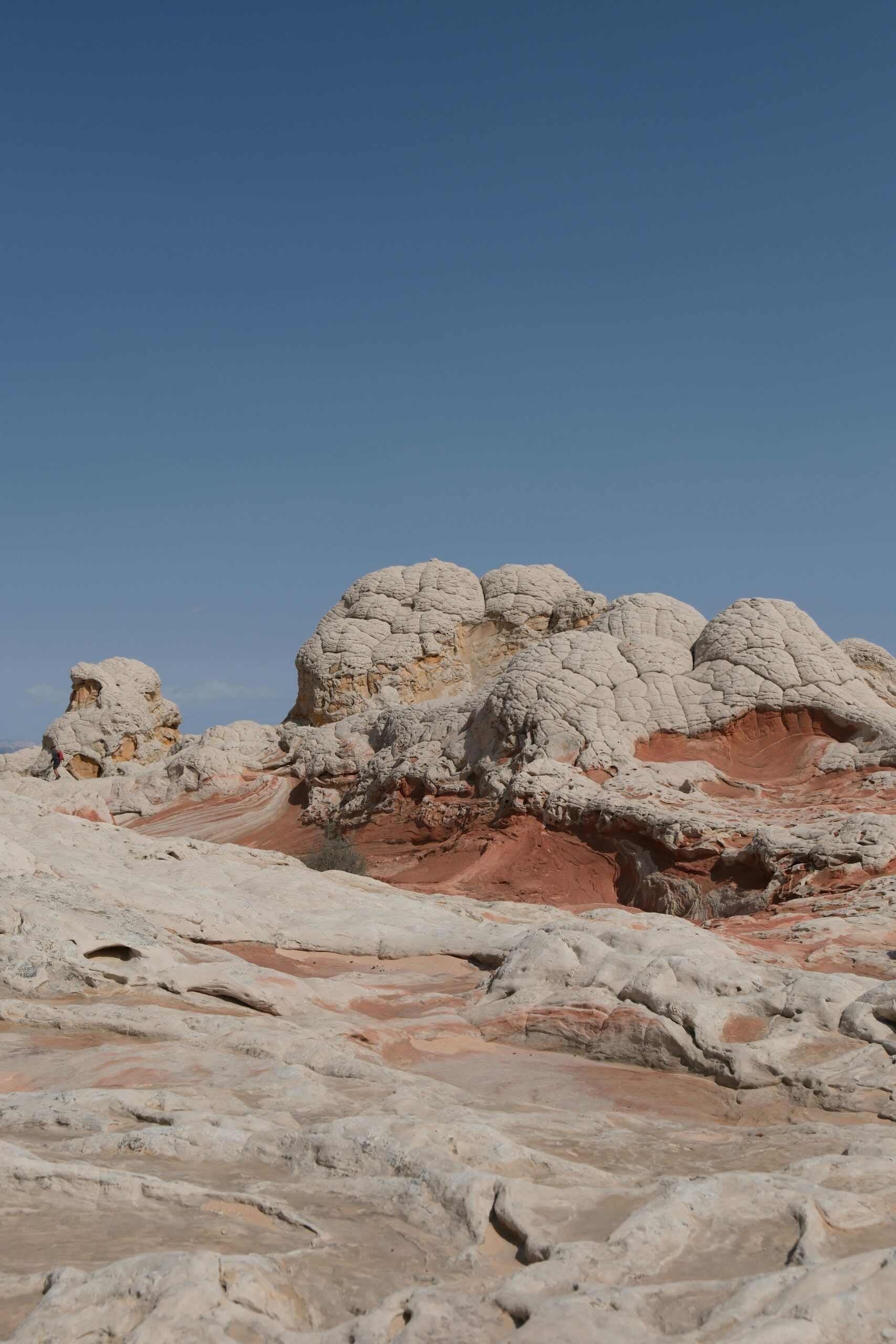
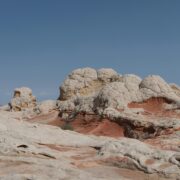
Located in Egypt’s Western Desert between Bahariya Oasis and Farafra Oasis, the White Desert National Park is one of the most unique geological locations on Earth. Unlike other deserts defined by golden sands, this landscape is dominated by massive formations of white chalk and limestone, creating a dream‑like scene that almost resembles snow yet remains warm under the desert sun.
Why Is It White?
Millions of years ago, the entire region was submerged underwater as part of an ancient ocean, When the waters receded, sediments of calcium and limestone were left behind. Over time, wind and sand sculpted these soft rocks into breathtaking formations smooth curves, jagged cliffs, and seemingly impossible shapes.
Why the White Desert Is Considered One of the World’s Natural Treasures
- It hosts some of the rarest geological sculptures worldwide.
- It offers unparalleled chances for stargazing thanks to zero light pollution.
- It is among the best camping destinations in the Middle East.
- It remains untouched, raw, and authentic.
- It provides a unique sense of silence and spiritual calm.
Where Is the White Desert Located?
The White Desert lies roughly 500 km southwest of Cairo, on the route connecting Bahariya Oasis and Farafra Oasis.
Travel Duration from Major Cities
- Cairo → White Desert: 4.5 to 5.5 hours by 4×4 vehicle.
- Giza → White Desert: around 5 hours.
- Hurghada → White Desert: around 7 hours (via Cairo).
- Luxor/Aswan → White Desert: fly to Cairo, then drive.
Is It Easy to Reach?
Yes,especially if you opt for an organized tour, Independent travel is possible but not recommended unless you are an experienced desert explorer.
The Best Ways to Reach the White Desert
- Organized Tours (Highly Recommended)
This is the safest and most comfortable way to visit, Tours typically include round‑trip transportation, all meals, camping gear, permits, and experienced drivers.
- Private 4×4 Car
You can drive from Cairo, but the White Desert requires:
- A licensed 4WD vehicle.
- A local guide.
- Knowledge of desert routes.
- Local Tours from Bahariya or Farafra
Budget‑friendly and suitable for last‑minute travelers.
The Best Time to Visit the White Desert (2026 Update)
Best Months
October to April — the weather is cool and ideal for outdoor activity.
Avoid Summer (June–September)
Temperatures can rise above 45°C, making midday travel exhausting.
Winter Experience
Days are pleasant, but nights can drop to 5°C or even lower, especially in January.
The Most Iconic Spots Inside the White Desert
- The Mushroom Rock
One of the most famous formations an enormous chalk structure perfectly shaped like a giant mushroom.
- Chicken & Tree Rock
A humorous natural sculpture where one rock resembles a chicken and another a tree beside it.
- The Crystal Mountain
A hill composed of natural quartz crystals, glittering under sunlight.
- Black Desert
Not exactly inside the White Desert, but nearby covered in volcanic black stones that contrast beautifully with the pale terrain.
- Acacia Tree
A solitary ancient tree standing in the middle of the desert—a symbol of resilience.
- The Old White Desert
Home to some of the oldest and rarest formations.
- The New White Desert
Where the most impressive sculptures are found—ideal for camping.
What to Do in the White Desert
- Camping Under the Stars
Nothing compares to sleeping in the open desert, wrapped in silence and crystal‑clear starlight.
- Stargazing & Milky Way Watching
The White Desert is one of Egypt’s best stargazing locations—no lights, no cities, just pure cosmic beauty.
- 4×4 Desert Safari
Adrenaline‑packed rides through dunes and rock formations.
- Sandboarding
Some dunes near the desert allow for a fun sand‑surfing experience.
- Photography
Every angle is a masterpiece—sunrise, sunset, and moonlit nights are magical.
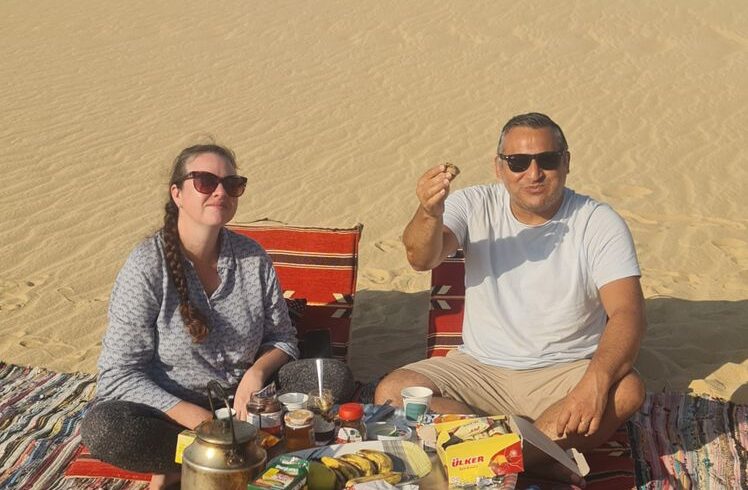
- Bedouin Tea & Campfire Nights
Enjoy traditional tea, music, and stories from local guides.
Sample Itineraries (2026 Edition)
1-Day Trip (Fast Visit)
- Morning departure from Cairo
- Black Desert
- Crystal Mountain
- White Desert highlights
- Return to Bahariya
2-Day Trip (Most Popular)
Day 1:
- Drive to Bahariya
- Visit Black Desert
- Explore Crystal Mountain
- Enter the White Desert
- Camp overnight
Day 2:
- Sunrise photography
- Visit Old White Desert
- Return to Cairo
3-Day Expedition (Adventure Lovers)
Adds extra stops in Farafra Oasis, hot springs, and deeper desert exploration.
Cost of Visiting the White Desert (Updated for 2026)
Group Tours
$80–$150 per person (USD), depending on season and services.
Private Tours
$180–$350+ depending on group size and level of comfort.
What’s Included?
All transportation
- Camping gear
- Permits
- Meals and drinks
- Experienced desert guide
- Accommodation Options Near the White Desert
- Desert Camping
The most magical option—nothing compares to the night sky above the White Desert.
- Eco-Lodges in Bahariya
Rustic, comfortable, traditionally designed.
- Guesthouses in Farafra
Quiet, budget-friendly places with local hospitality.
Photography Tips for the White Desert
- Use wide-angle lenses for sweeping landscapes.
- Shoot during golden hour and blue hour.
- Bring a tripod for night photography.
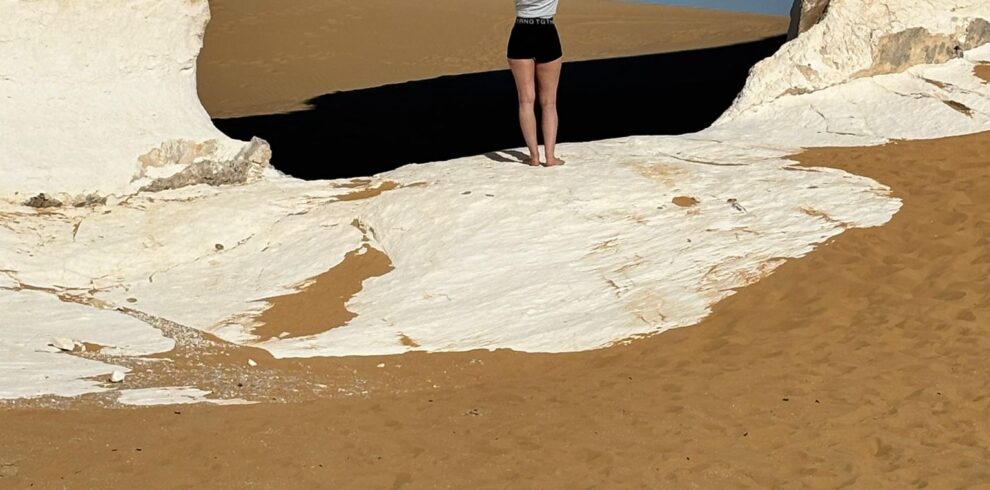
- Capture formations with a sense of scale (place a person in frame).
- The Milky Way is best captured in moonless nights.
Essential Packing List (2026)
- Warm clothes for night
- Hat and sunscreen
- Water bottles
- Portable charger
- Hiking boots
- Camera + tripod
- Headlamp
- Personal medication
Safety Tips
- Always travel with a licensed guide.
- Avoid wandering far from camp.
- Notify someone of your itinerary.
- Follow park rules.
Frequently Asked Questions
Is the White Desert safe?
Yes, as long as you travel with a certified guide.
Are there mobile networks?
Very weak or nonexistent.
Do I need a permit?
Yes, your tour provider will arrange it.
Can children join?
Yes, but camping with young kids requires preparation.
A Journey Beyond Imagination
The White Desert is not simply a place you visit it is a place you feel, A vast, silent world sculpted by nature, glowing under sun and moon, and offering one of the most peaceful atmospheres you will ever encounter, Whether you are a photographer, adventurer, family traveler, or seeker of stillness, the White Desert will remain etched into your memory long after you leave.
In 2026, make this destination part of your travel plans, because some places change you forever, and the White Desert is one of them.
Extended Edition: Deep-Dive White Desert Guide (Massive Expansion)
Wind as the Master Sculptor
Unlike mountains shaped by tectonic collisions, the White Desert owes its artistry to the relentless work of wind and sand. These natural forces carved soft rock into astonishing shapes:
- towering pillars
- rounded domes
- sharp ridges
- delicate curves resembling frozen waves
Each sculpture tells a silent story of erosion, weather, and ancient climate shifts.
Cultural Significance: The Desert and its People
Though the White Desert appears empty, it has been part of human journeys for thousands of years. Caravan traders, nomadic tribes, and desert travelers have all passed through this region.
Bedouin Heritage
The Bedouins of Bahariya and Farafra have lived in harmony with the desert for generations. Their knowledge of:
natural water sources, weather patterns, desert navigation medicinal plants and survival skills,is unmatched.
Visitors often get the chance to interact with Bedouin guides, hear oral stories, enjoy music around campfires, and taste traditional meals such as:
zarb (underground slow-cooked meat & vegetables)
bedouin tea brewed with desert herbs
freshly baked taboon bread
Wildlife of the White Desert
Despite its harsh conditions, the White Desert supports a surprising variety of life.
Animals You Might Encounter
Fennec foxes: tiny desert foxes that may visit camps at night
Dorcas gazelles: elegant antelopes adapted to extreme heat
Jerboas: hopping desert rodents with long tails
Why Egypt’s White Desert Will Be the “New Iceland” for Adventure Travelers in 2026
Over the past decade, Iceland has dominated global travel lists thanks to its surreal landscapes glaciers, black beaches, volcanic deserts But in 2026, a new contender is rising quietly from North Africa: Egypt’s White Desert With its ghost-white rock formations, lunar fields, and absolute silence, the White Desert delivers the same sense of awe and otherworldliness that made Iceland famous minus the crowds and soaring prices, Travelers are increasingly seeking remote, untouched, photogenic destinations, and the White Desert is checking every box. It is raw, cinematic, affordable, and emotionally transformative. As more photographers and adventure seekers discover its alien beauty, it’s becoming clear that the White Desert is on track to become the Middle East’s answer to Iceland’s Highlands.
The Sound of Silence: Experiencing the Desert’s Acoustic Magic
Silence in the White Desert is unlike silence anywhere else. It is not simply the absence of noise—it is a deep, immersive stillness that feels almost alive. Many travelers describe it as the moment when you suddenly “hear yourself think.” Without cars, phones, or city echo, the desert becomes an acoustic sanctuary where even the soft crunch of boots on chalk sounds amplified, Scientists explain that wide open landscapes with soft surfaces create a natural sound-absorption effect, making the White Desert one of the quietest accessible places on Earth, Spending even ten minutes in this silence resets your mind in surprising ways. Travelers often say they leave with a calm they’ve never experienced before.
The White Desert After Dark: What Really Happens at Night?
When the sun disappears behind the chalk towers, the White Desert transforms into a world that feels almost supernatural, Temperatures drop dramatically, the winds soften, and the stars ignite across the sky in diamond-sharp clarity. Animals become more active fennec foxes peek out of burrows, jerboas hop across sand patches, and desert owls search the night for prey, As campfires crackle and Bedouin guides brew herbal tea, the desert takes on a magical rhythm of its own, The moonlight paints the white formations in silver hues, making them look like frozen waves under liquid light. For many travelers, nighttime in the White Desert is even more astonishing than daytime.
Local Legends & Desert Myths: Stories Passed Down by Bedouins
The Bedouins who call Bahariya and Farafra home carry centuries of oral history and legends about the desert’s strange shapes, Some say certain rock formations resemble ancient guardians watching over travelers; others believe the desert glows brighter under a full moon because of “spirits of the old caravans” guiding the way, One popular tale describes a hidden valley where the wind whistles like a flute, believed to be the spirits of lost traders calling home. Whether symbolic or mythical, these stories add soul to the landscape reminding visitors that the desert is more than geology; it is a living memory filled with cultural echoes.
Hidden Spots Only Local Guides Know About
Most tour groups follow the classic route but the White Desert hides dozens of secret corners known only to experienced local guides, These include narrow passageways carved by ancient winds, small caves with natural skylights, mini-valleys covered in quartz dust, and high ridges offering unmatched panoramic views. Some guides even know silent “pockets” where the echo completely disappears, making them perfect spots for meditation or filming, These hidden gems are rarely photographed, giving travelers a chance to experience landscapes that feel entirely their own untouched, unseen, and utterly magical.
A Day in the Life of a Desert Guide
Before the sun rises, desert guides begin their quiet ritual: inspecting the 4×4 tires, checking fuel levels, preparing meals, and evaluating weather conditions. They read the desert the way sailors read the sea—watching sand lines, wind directions, and tiny shifts in temperature. During trips, they navigate without hesitation, using mental maps built over years of experience. They prepare lunch over hot stones, set up camp in the safest areas, and entertain guests with stories, folklore, and songs. What seems like a simple desert tour is, in reality, a deeply skilled profession passed down across generations. Without these guides, navigating the White Desert safely would be nearly impossible.
The Science of Desert Survival: How Explorers Navigate an Ocean of White Rock
To the untrained eye, the White Desert looks like endless repetition white rocks, sand patches, chalk dunes. But to seasoned explorers, every shape is a landmark, Desert survival relies on techniques such as reading sun angles, identifying mineral differences in rock color, and listening to the wind to anticipate weather changes, Old Bedouin knowledge includes using constellations for direction, locating underground moisture by observing plant clusters, and identifying safe terrain by testing sand firmness with a stick. These traditional survival skills, mixed with modern tools, are what allow adventurers to explore safely.
Wellness Travel in the White Desert: Meditation, Mindfulness & Digital Detox
The White Desert has quietly become a hotspot for wellness retreats and digital-detox travelers, Companies now organize meditation circles, sunrise yoga sessions, and mindfulness workshops surrounded by silent white formations, The lack of mobile network forces visitors to disconnect completely, creating a rare window of uninterrupted calm, Travelers report reduced stress, improved mental clarity, and a sense of emotional release after spending just one night here. For those seeking mental reset rather than adrenaline, the White Desert is becoming a preferred sanctuary.
The Secret Colors of the White Desert: Shades You Only See at Certain Hours
Despite its name, the White Desert isn’t just white, At dawn, the formations glow in pastel pinks and soft oranges. During midday, they shine bright ivory against deep blue skies. At sunset, they shift into warm gold, and under the moon, they turn silver and almost glass-like, Atmospheric dust, light angles, and mineral composition all contribute to this natural color show, Photographers planning the perfect shot often schedule their entire trip around these magical transitions of light.
Sustainable Tourism: How the White Desert Is Being Protected in 2026
With rising popularity comes increased responsibility, In 2026, new regulations aim to protect the fragile chalk formations from erosion and human impact. These include stricter camping zones, capped visitor numbers during peak months, and mandatory licensed guides for certain routes, Conservation groups also run clean-ups and awareness programs to educate visitors on preserving the landscape. Because the chalk rocks are extremely soft, even small scratches can last for decades, making responsible tourism essential for keeping this wonder intact for future generations.
Geological History: How the White Desert Was Born
Long before the chalk formations rose from the desert floor, this entire region lay beneath the waters of the ancient Tethys Sea, Over millions of years, layers of marine sediments shells, coral fragments, and microscopic organisms accumulated and hardened into limestone and chalk, When the Earth’s climate shifted and oceans receded, the land rose, exposing what would eventually become one of the most surreal landscapes on the planet.
The Ultimate Guide to the White Desert in Egypt (2026 Update)
Recent Posts
The Ultimate Guide to the White Desert in Egypt (2026 Update)